



Ransomware, Data Breaches, and Your Payment System: What Every Municipality Needs to Know

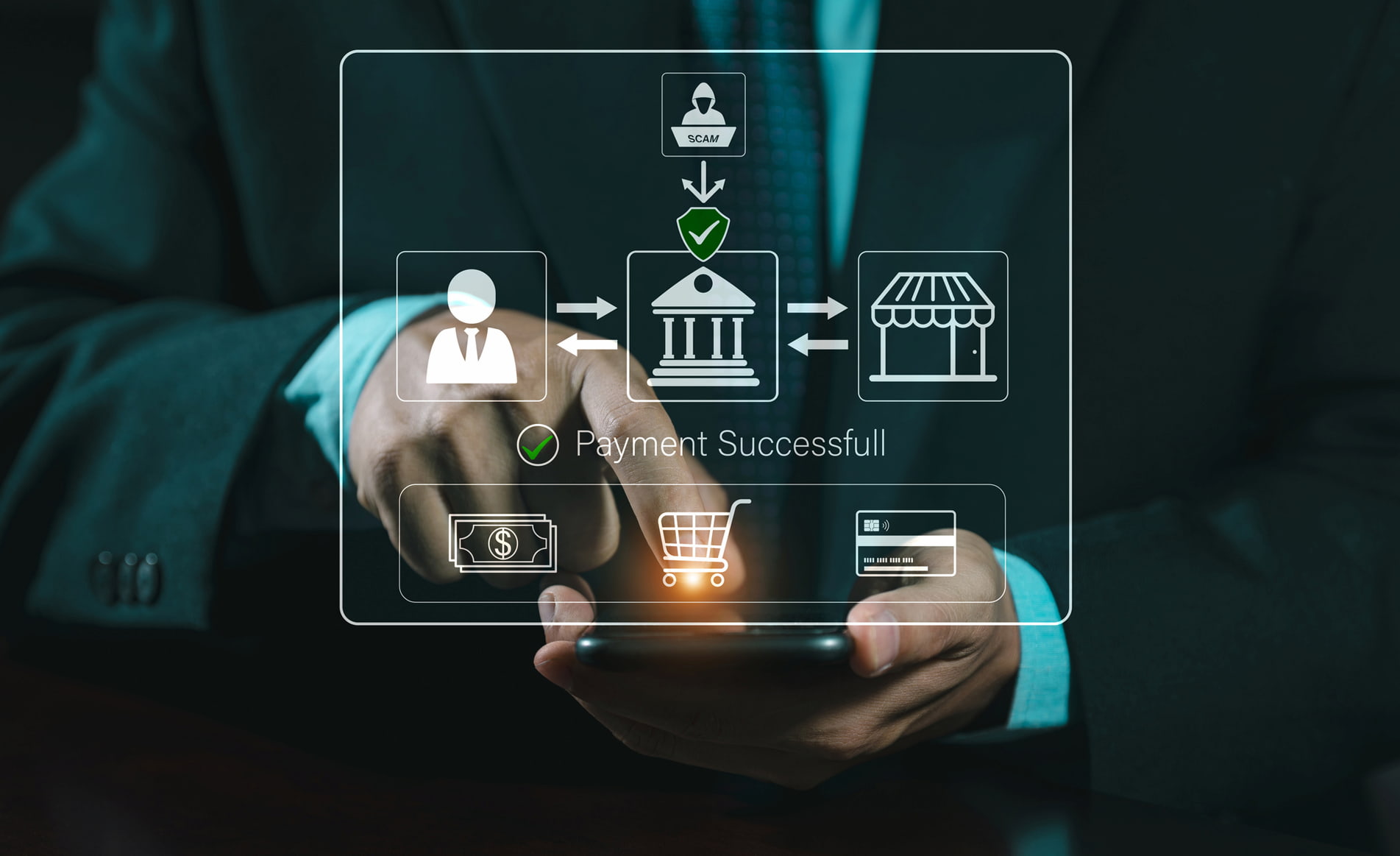
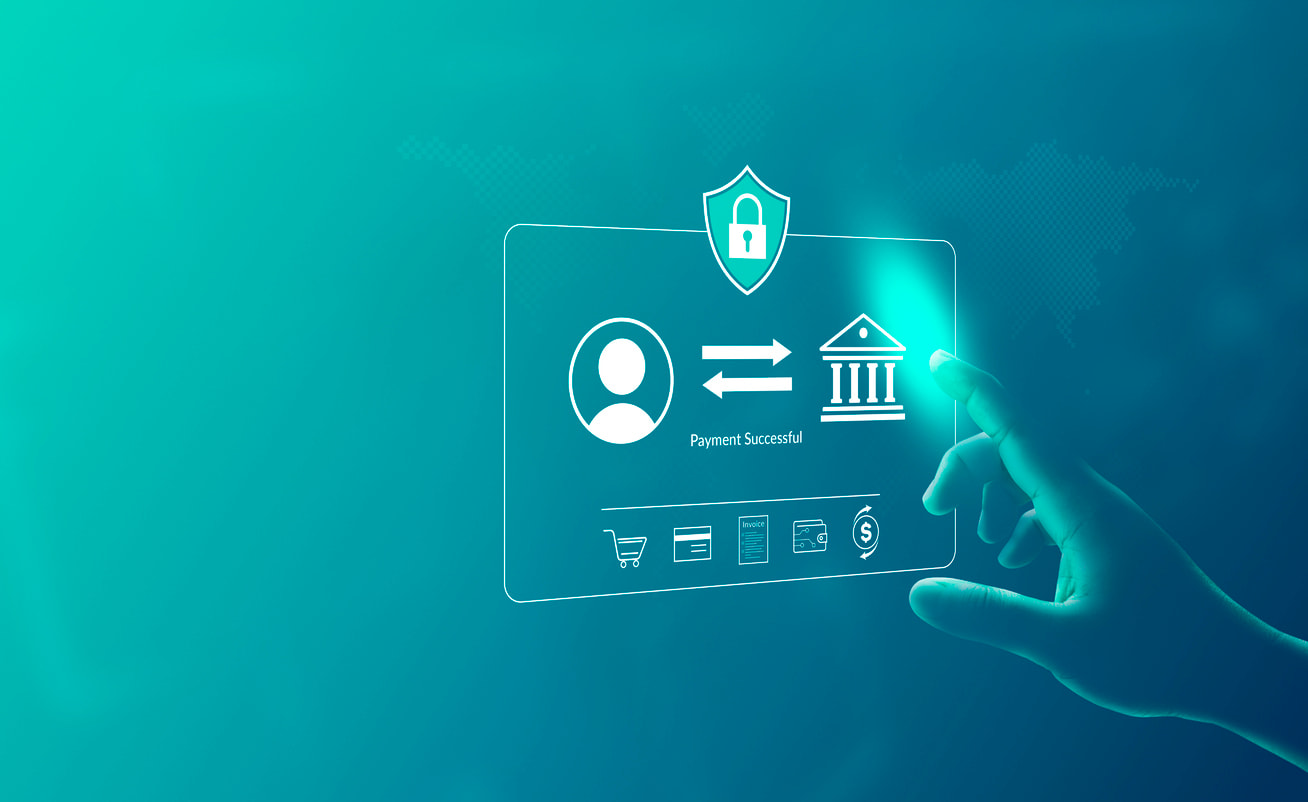
online payment security graphic with shield icon

In May 2024, the City of Wichita, Kansas — the largest city in the state — was forced to shut down its online payment systems entirely following a ransomware attack. Residents couldn’t pay utility bills online. City staff couldn’t process digital transactions. For days, Wichita reverted to cash-only payments at in-person locations. Wichita isn’t an … Read more

You’ve Gone Digital. Now What? Why Payment Integration Is the Real Modernization Play

man using phone and laptop with government building icon overlay

Congratulations. Your municipality has an online payment portal. Residents can pay their utility bills without coming to the counter. You’ve gone digital. Now — how long does it take your finance team to reconcile those payments? If the honest answer is “a while,” you haven’t finished modernizing. You’ve just moved the friction from the front … Read more

Residents Don’t Compare You to Other Governments — They Compare You to Their Bank App

person holding credit card while using laptop

Every time a resident pays a bill — any bill — they’re having a payment experience. That experience sets a standard. And when they turn around and try to pay their city utility bill or property tax, they’re measuring your portal against every seamless transaction they’ve had that week. The Experience Economy Has Come to … Read more

The Payoff: Turning Trust into Tangible Savings – The Efficiency Pillar

abstract image showing dollar currency symbol among blocks

We’ve established how T (Trust), R (Reliability), and U (Usability) work together to create an effortless citizen experience. The final and most critical pillar, E for Efficiency, is where your 10x return becomes real, measurable, and repeatable. Efficiency (E) is the financial and operational payoff derived from shifting citizen behavior away from high-cost channels. Quantifying the Savings A high TRUE Ratio … Read more

Usability is Your Best Investment: Why ‘Amazon-Like’ Payments Reduce Staff Workload

programmer reviewing ux ui flowchart on tablet

You can have the most trustworthy (T) and reliable (R) system in the world, but if it’s confusing to use, citizens won’t adopt it. The third TRUE pillar, U for Usability, is arguably the most powerful driver of the entire TRUE Ratio because it is what convinces the majority of residents to switch from high-cost, in-person … Read more

The Foundation of Service: Achieving 99.9% Reliability and Zero Data Breaches

woman sitting at kitchen table doing finances using smart phone and laptop

In the public sector, service delivery is non-negotiable. This is the essence of the second TRUE pillar: R for Reliability. This pillar ensures your digital platform is always available, always stable, and always secure. When residents trust a platform to simply work, your staff is liberated from the costs associated with failure. Uptime: The Silent Killer of … Read more

Building Digital Trust: Why Your Payment Interface Needs to Look Like Your Agency

hand grasping virtual screen showing online secure payments

Trust is the bedrock of any successful government-to-citizen interaction, and the payment portal is where that trust is tested most fiercely. Our first pillar of the TRUE Ratio, T for Trust, focuses on making the digital payment experience so transparent and familiar that residents choose self-service channels with confidence, leading directly to higher efficiency (E). The … Read more

TRUE Ratio: How to Unlock 10x Efficiency in Local Government Operations

steps and pillars of government building

Local government agencies, municipalities, counties, and utilities face a universal challenge: how do you meet the growing demand for convenient digital services while simultaneously cutting administrative costs? The answer lies not just in adopting new technology, but in applying a proven framework to every citizen touchpoint, especially payments. At CORE, we’ve boiled this down to … Read more

What Is a Smart City? Definition and Examples of Urban Innovation

What Is a Smart City? An Overview A smart city is an urban municipality that uses various information and communication technologies (ICT) to streamline operations, like the management of assets, resources, and services, to ultimately improve its citizens’ quality of life. A smart city leverages ICT to create a more efficient, sustainable environment, which can … Read more