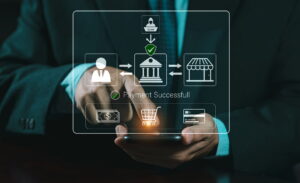




Every time a resident pays a bill — any bill — they’re having a payment experience. That experience sets a standard. And when they turn around and try to pay their city utility bill or property tax, they’re measuring your portal against every seamless transaction they’ve had that week.
The Experience Economy Has Come to Government
The concept of the “experience economy” — the idea that customers increasingly value how a transaction feels, not just whether it completes — has reshaped retail, banking, and healthcare over the last decade. Local government has largely been insulated from that pressure, because residents don’t have a choice about paying their taxes or their water bill.
But insulation isn’t immunity. Low digital payment adoption, rising call support volume, and increasing resident frustration are all symptoms of the same underlying condition: government payment experiences haven’t kept pace with resident expectations.
The data is stark. Despite the overwhelming majority of residents preferring digital payment options for every other aspect of their financial lives, only roughly 37% currently pay government bills digitally. That gap isn’t a statement about resident preferences. It’s a statement about what government portals are — and aren’t — delivering.
What “Consumer-Grade” Actually Means in a Government Context
Consumer-grade doesn’t mean flashy. It doesn’t mean you need a branded mobile app with gamification features. It means the interaction is highly usable (intuitive), reliable, and trustworthy — the three things that determine whether a resident completes a digital payment or abandons it and picks up the phone.
Usable means a resident who has never used your portal before can find what they need, identify their account, and complete a payment without reading instructions or calling for help. If your portal requires a knowledge base article to navigate, it isn’t usable.
Reliable means the entire payment process — from landing on the page to receiving a confirmation — takes under two minutes on a mobile device. Residents will not tolerate a government payment experience that is slower or more complicated than paying their Netflix subscription.
Trustworthy means the resident feels confident throughout the process. They see a recognizable, professional interface. They receive an immediate confirmation. They can access a receipt or payment history anytime they need it. The experience signals that their money went where it was supposed to go — and that their data is secure.
The Payment Moment Is Your Most Important Touchpoint
Local governments interact with residents in dozens of ways — permit applications, service requests, public meetings, utility connections. But the payment moment is the most frequent and most universally shared. Almost every resident, regardless of how they engage with city services, eventually has to pay something.
That means the payment experience is, functionally, the face of your government’s digital presence for most residents. A clunky portal doesn’t just frustrate — it shapes perception. Residents who struggle to pay their water bill online don’t conclude that the billing software is outdated. They conclude that their city is outdated.
Conversely, a smooth, modern payment experience builds quiet confidence in local government competence. It says: we’ve invested in the infrastructure that serves you, we respect your time, and we can handle your money with care.
Self-Service Is Not a Convenience — It’s an Expectation
One of the most consistent findings in resident payment research is that people don’t want to call. They want to handle it themselves, on their own schedule, without being put on hold or waiting for office hours. Self-service payment capability — the ability to view a balance, make a payment, set up autopay, and access payment history at 10 PM on a Sunday — isn’t a premium feature anymore. It’s the baseline.
For utility districts, this is especially critical. High-frequency billing cycles mean residents interact with the payment system monthly, sometimes more. Each of those touchpoints is an opportunity to either build confidence or erode it. A self-service experience that works consistently turns payment into an invisible, frictionless background task. One that doesn’t turn it into a recurring source of frustration.
What This Means for Your Platform
Meeting modern resident expectations doesn’t require a complete technology overhaul overnight. But it does require an honest assessment of where your current platform falls short:
- Does it render correctly on a mobile device?
- Is a confirmation sent immediately after payment?
- Can residents access payment history without calling your office?
- Does the payment process look and feel trustworthy?
If the answer to any of these is no — or “I’m not sure” — the gap between your residents’ expectations and your current reality is wider than you may realize.
The standard has been set. It wasn’t set by a neighboring city or a government technology conference. It was set by the apps your residents use every day. The governments that close that gap first will see the results in adoption rates, call volume, and resident satisfaction almost immediately.